Where Hospitality Meets Sustainability



July 7, 2026
Designed with sustainability at its core, Atlas Hotel operates on an all-electric system in support of Boston’s carbon-neutral goals and has earned both LEED Gold and Fitwel certifications. Additional eco-friendly features include rainwater harvesting, green infrastructure, and bird-safe window treatments, reflecting the hotel’s commitment to conserving the environment and mitigating its environmental impact.
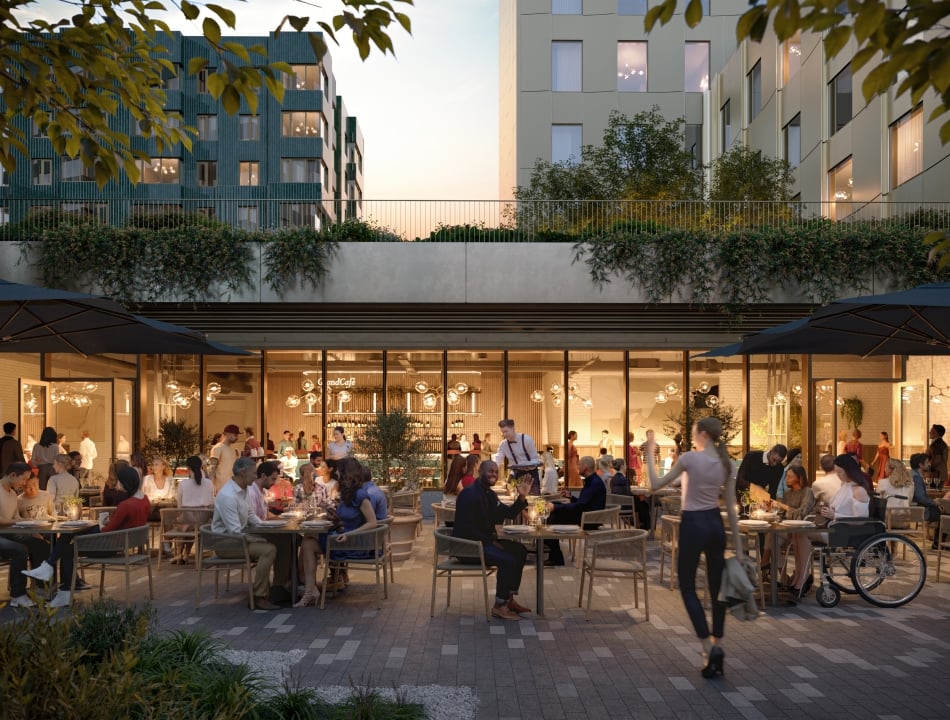
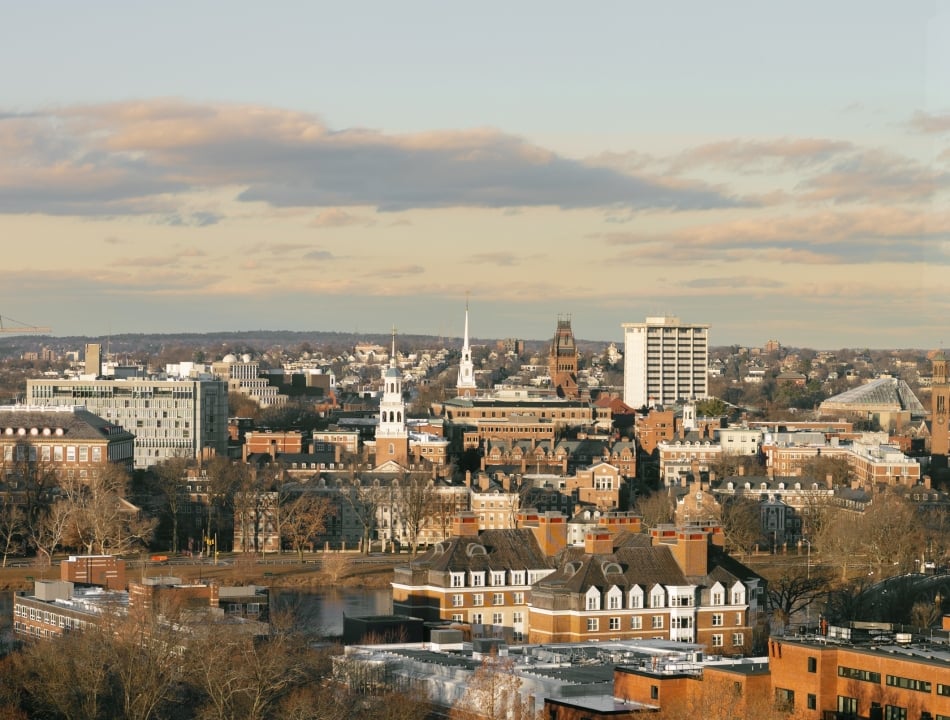
The Atlas is grounded in a commitment to sustainable development – prioritizing energy-efficient systems and low-carbon construction methods. As part of an effort designed within Harvard University’s Enterprise Research Campus and the new Allstonway green space, all guests and visitors can experience a community gathering place that charts the course for a greener future.
Proudly holding a LEED Gold Certification and Fitwel Certification, The Atlas hotel and surrounding Enterprise Research Campus reflects a holistic approach to sustainability, aimed to support human well-being.
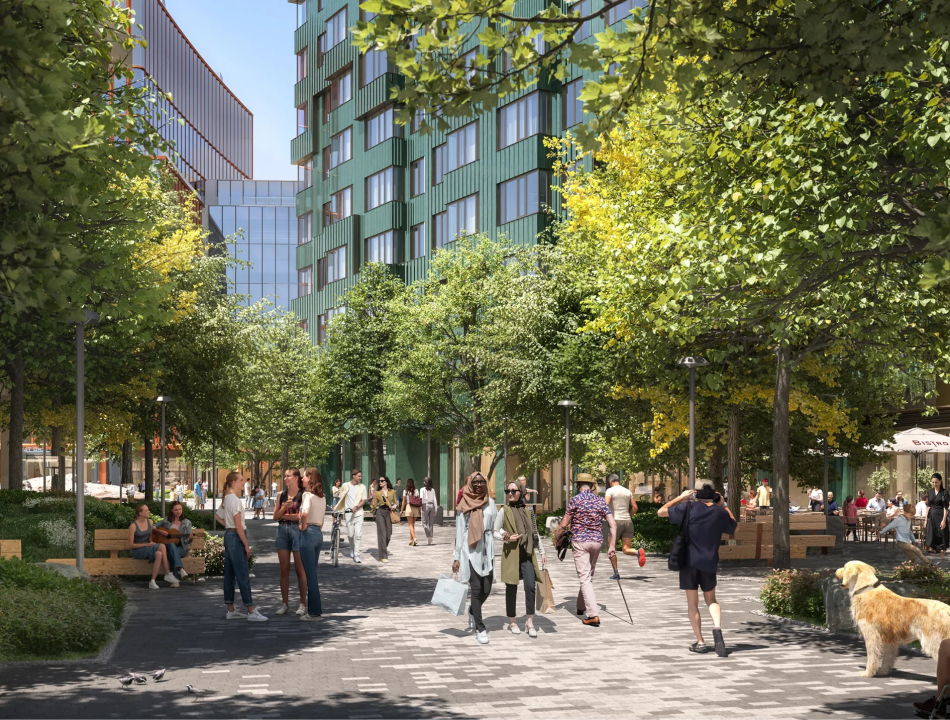
Providing exceptional hospitality means providing meaningful amenities, services, and moments. Here at The Atlas, we’ve woven in environmental efficiencies that make every effort more impactful:
As Boston aims to be carbon neutral by 2050 with a focus on building retrofits, renewable energy, and equitable climate resilience, The Atlas promises a place in Boston’s future with a designed response to decarbonization, energy efficiency, zero waste and fostering equity in how locals and travelers can make a difference with every stay.
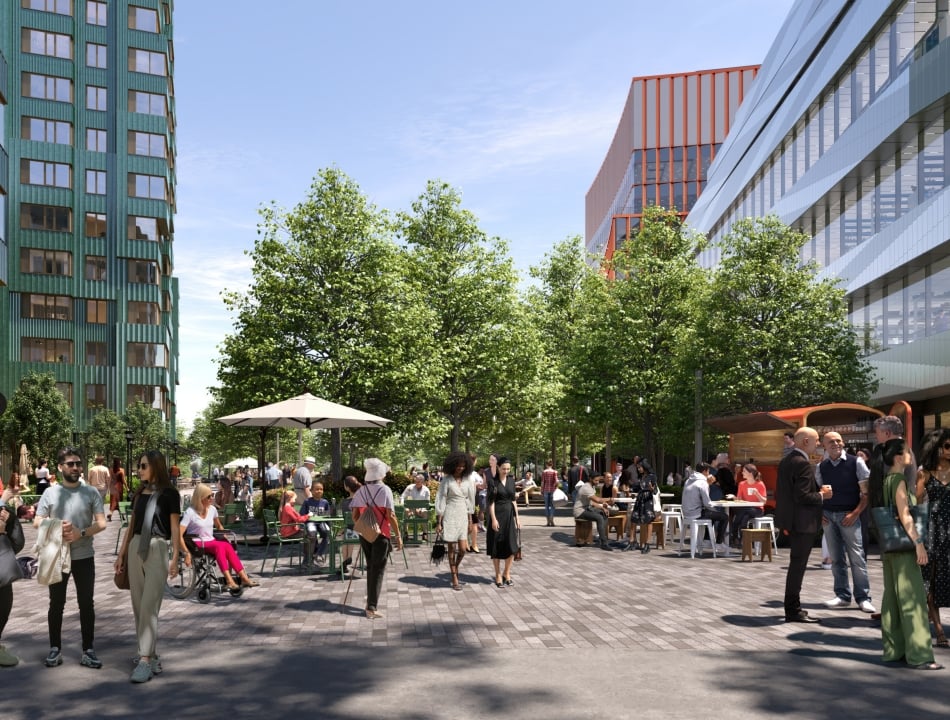
The Atlas is thoughtfully connected to features an extensive, sustainable stormwater management system centered on Allstonway’s unique bioswale designed to exceed city and state standards. Located within a new mixed-use development, this green infrastructure element filters stormwater, increases infiltration, and is integrated with a public greenway and a “bio-classroom.”
Additional features that keep The Atlas and surrounding greenspaces resilient for years to come:
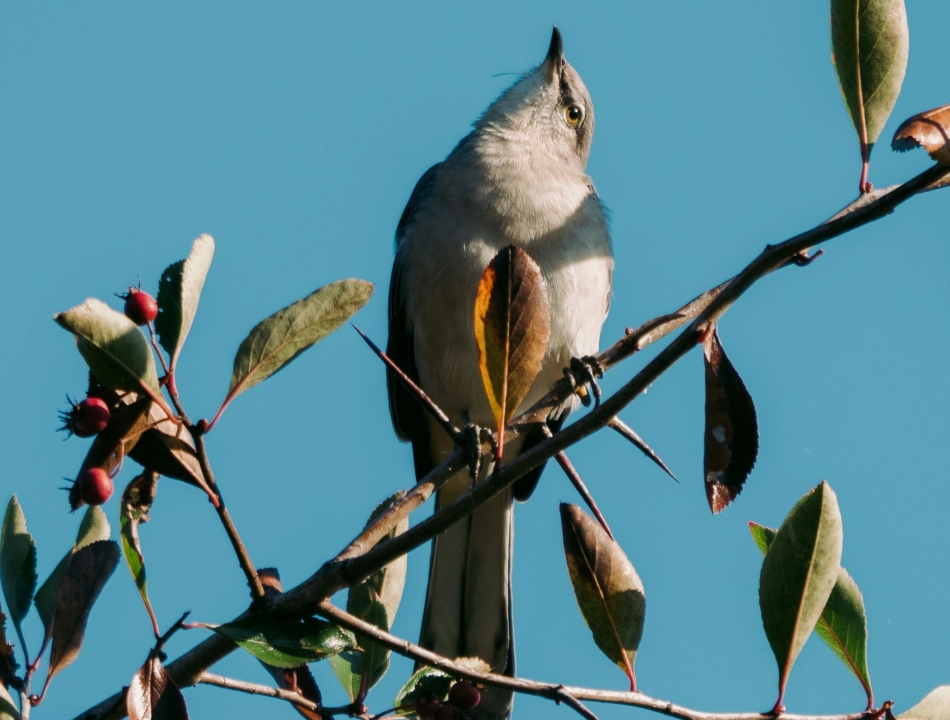
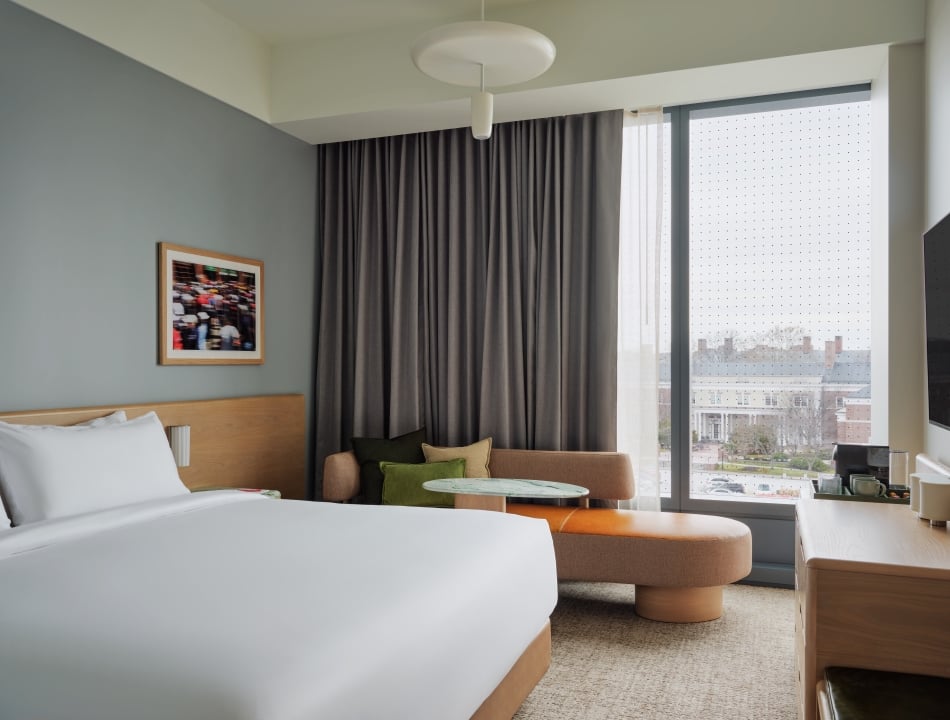
The Atlas takes an active role in protecting biodiversity, particularly migratory birds traveling along the Atlantic Flyway – one of North America’s most vital migration corridors.
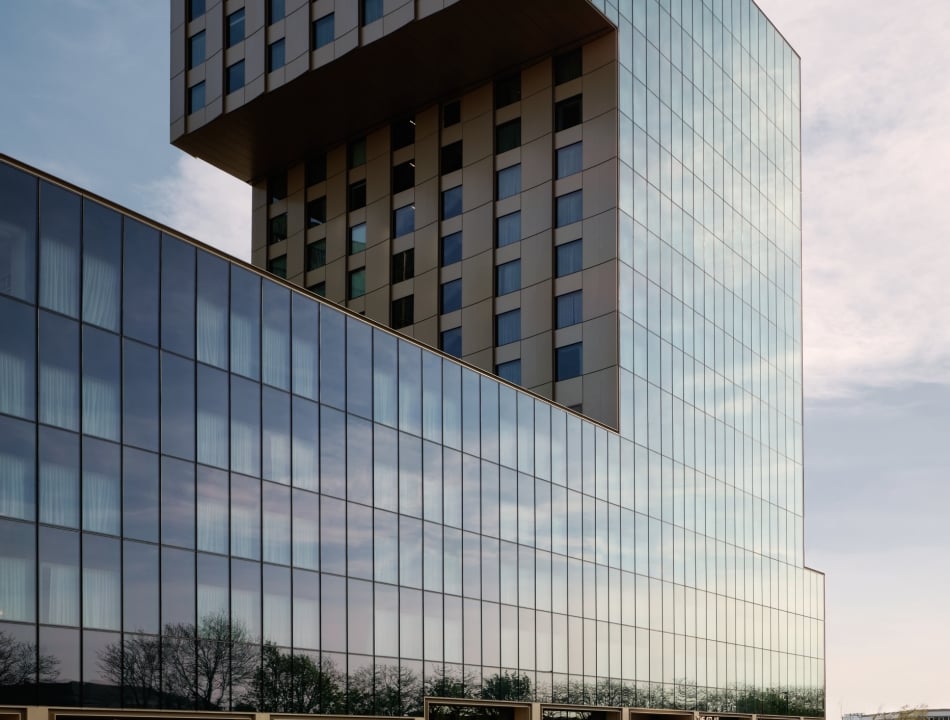
The hotel incorporates bird-safe glass, engineered with subtle dot patterns that are visible to birds while remaining nearly invisible to the human eye. This innovation helps prevent collisions, addressing a critical issue that affects nearly one billion birds annually in the United States.
Located along a major migration route, The Atlas supports species that pass through or inhabit the Boston area, including warblers, orioles, thrushes, sparrows, and waterfowl. By making thoughtful design choices, the hotel contributes to the preservation of these vital ecosystems.

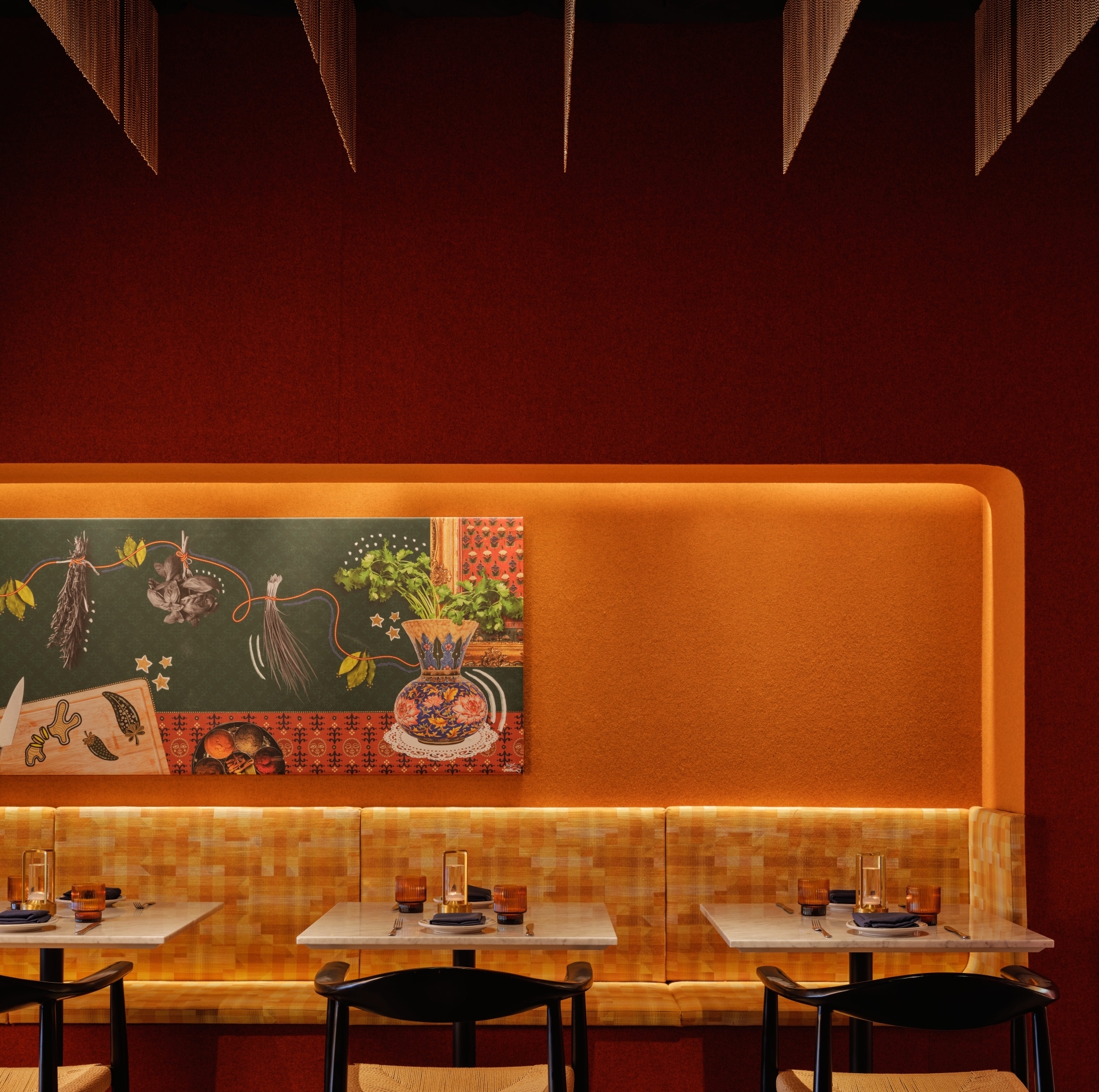
Sustainability continues in the kitchen with our partners at Pearl & Law Hospitality, and their culinary program design at both Ama at The Atlas and Foxglove Terrace. Our thoughtful approach to nourishment includes embracing sustainable practices to enhance (rather than limit) creativity and flavor.
At The Atlas hotel, sustainability is a part of our identity rather than an accessory or feature. It’s our foundation for connection, conversation, forward-thinking action, and eco-friendly comfort.
Stay in the know with our latest updates, limited-time offers, and exclusive experiences designed for curious, connected travelers.